
Street Art to Promote Representation and Epistemic Justice among Marginalized Rural Zimbabwean Youth
Street Art to Promote Representation and Epistemic Justice among Marginalized Rural Zimbabwean Youth was a Changing the Story Phase 2 ECR project.
This project focused on rural Binga, a significantly underdeveloped rural district located in Matabeleland North in Zimbabwe. The area is largely inhabited by the minority group Tonga people who have been subject to marginalisation, social violence and exclusion. The project seeks to document these through participatory street art with the aim of encouraging social cohesion, making their experiences and knowledge visible, and contributing to epistemic justice. Epistemic injustice means a person is in a disadvantaged position to influence public discourse and is marginalised due to unfair treatment about knowledge, participation in communicative practices or representation (Fricker, 2015). This project generates a democratic space by giving Tonga youth an opportunity to tell the stories about the lives they value and doing research with Tonga youth rather than on them to promote social awareness
The aims of the project were to:
- Provide a platform for Tonga youth to voice their aspirations and to address the social powerlessness they hold.
- Identify how youth and CSOs can work together to address social cohesion and epistemic injustices.
- Bring the issues of marginalised youth to the attention of the policy-makers, local stakeholders, discuss the role of participatory arts as an intercultural learning tool for deconstructing the bias against such groups.
The project involves NGOs, government agencies, museums, and art galleries, and urban university youth to dismantle longstanding stereotypes against the Tonga community. The partners of this project are Batonga Community Museum in Binga and the Basilwizi Yrust youth NGO.
The Batonga Community Museum helped with the design of the art-based methodology, art training, exhibition and dissemination of artefacts. The NGO worked with youth on design, production and delivery of artefacts and be active in workshops in ensuring communication between stakeholders. Working with these two local organisations can create transformational platforms and new synergies which can contribute to building long-lasting social relationships.
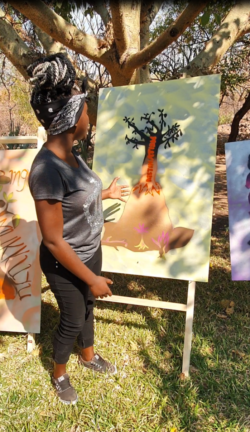
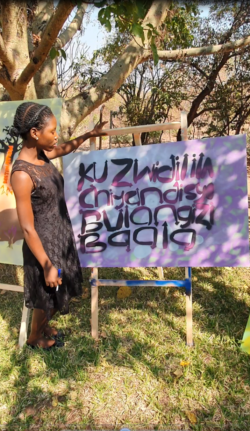
The following images were taken during the project's 5 day street art workshop in August 2019:
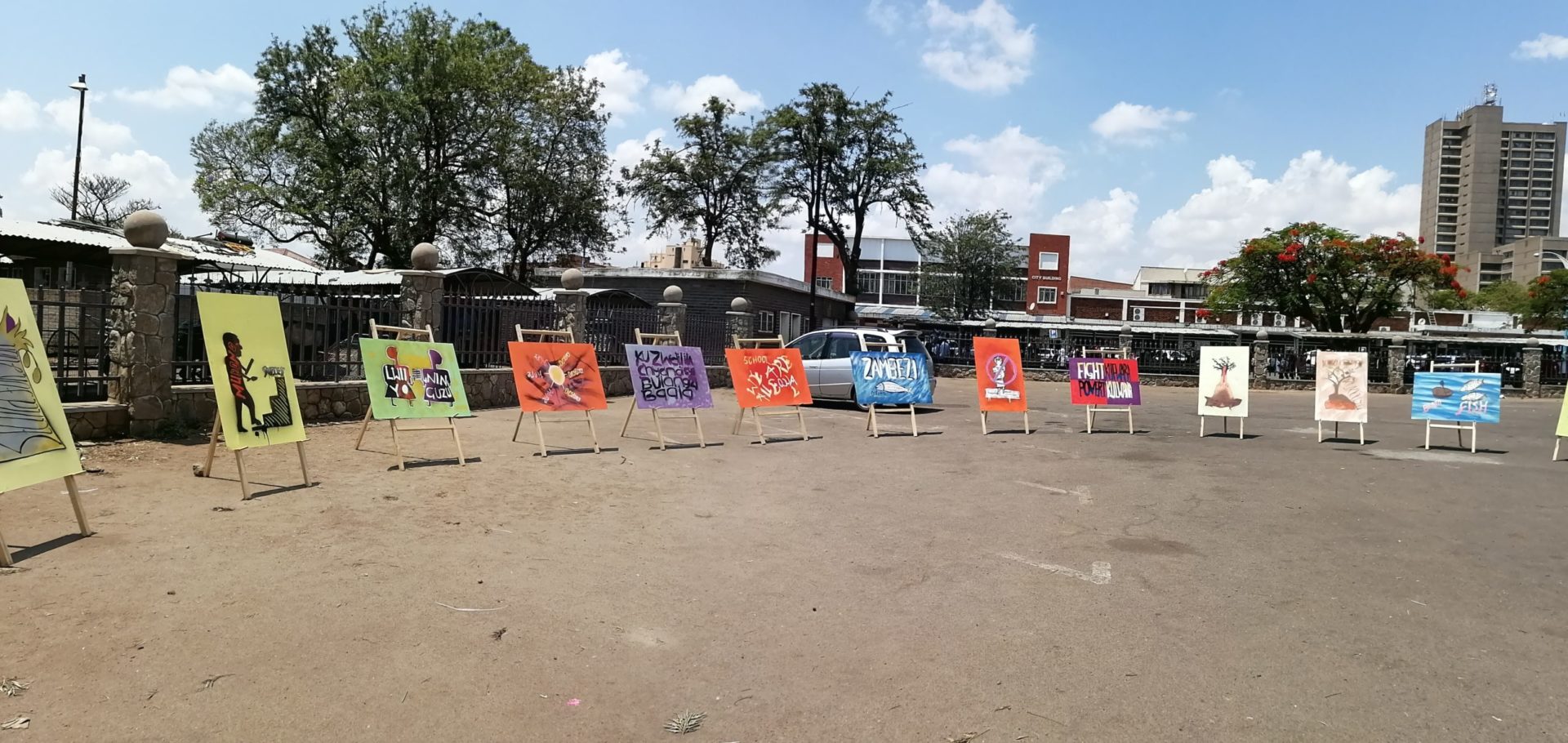
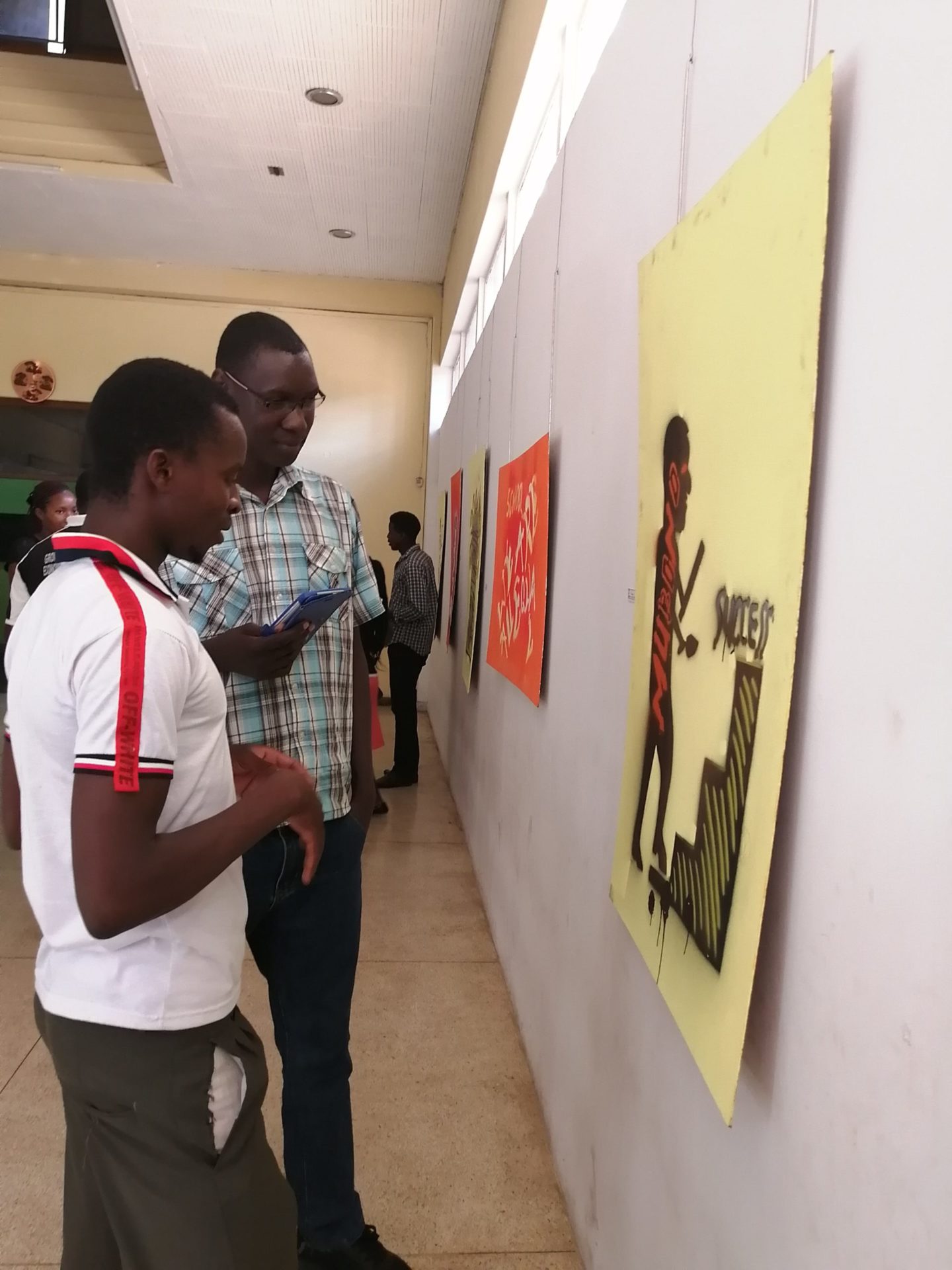
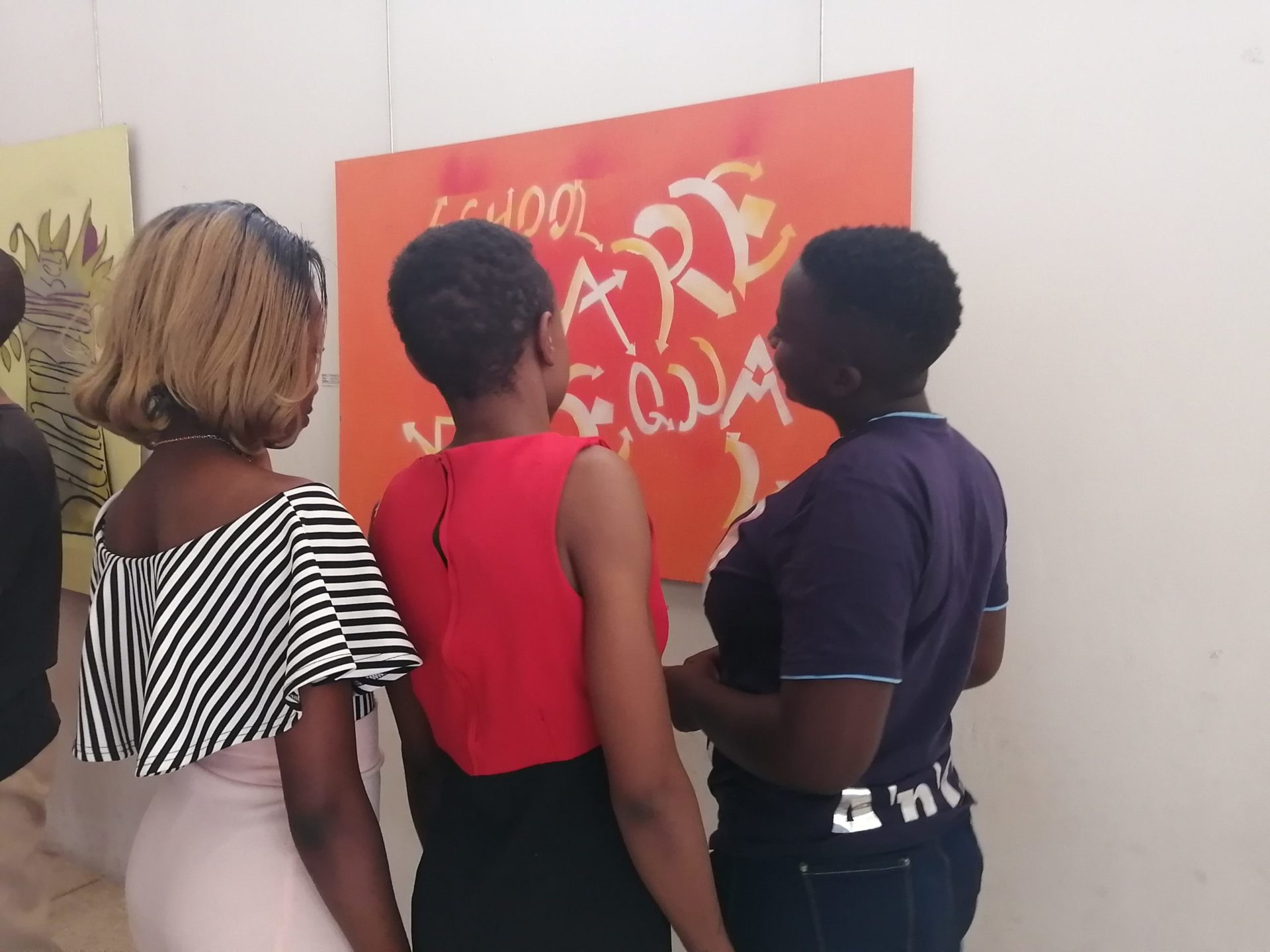
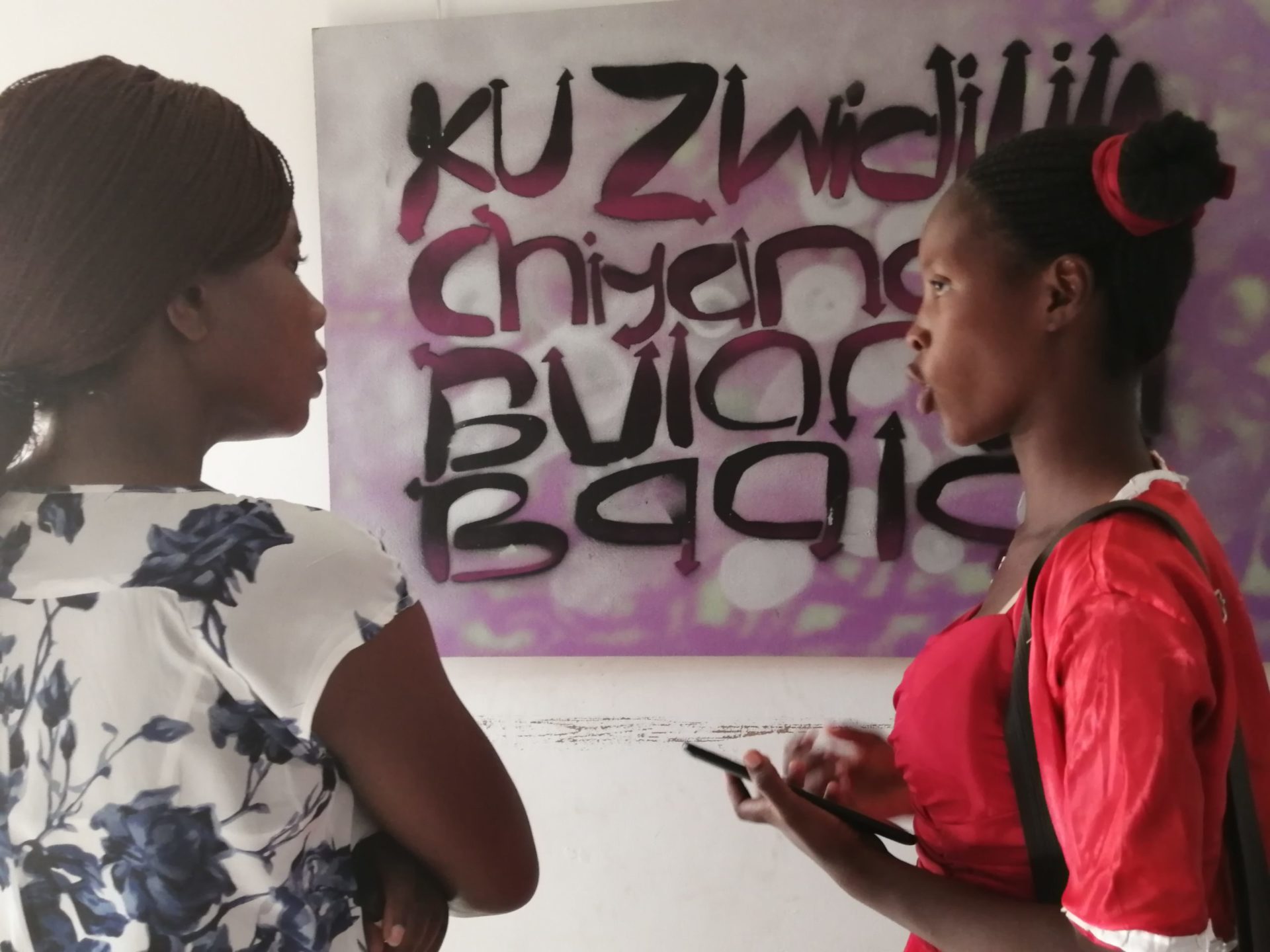
The graffitis produced by the youth have been exhibited in Bulawayo at the National Art Gallery, at the National Museum in Harare and at the Midland state university in Gweru.
The following images were taken during the exhibitions:
Project Location
Rwanda
Resource Archive
Search or browse the resource archive for films, reports, toolkits and other resources produced by the Changing the Story and its commissioned projects. Items relating to Zimbabwe are listed below:
[doc_library doc_category="zimbabwe"]